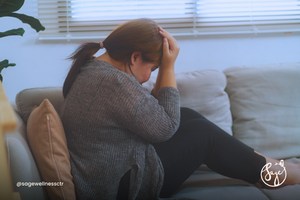
Have you ever looked around and thought, “I have people in my life… so why do I still feel lonely?”
You might text with other parents, chat with coworkers, or follow dozens of people online — yet still feel a quiet ache of disconnection. In today’s loneliness epidemic, many adults (especially women and caregivers) are carrying stress, emotional labor, and big life responsibilities without the kind of true friendship that feels safe, mutual, and nourishing.
If you’ve been craving deeper connection, you’re not alone. Humans are wired for social support. Community isn’t just a “nice to have” — it’s the foundation our emotional and even physical health is built on.
Let’s talk about how to build authentic, aligned friendships that truly support your overall wellbeing.
Why Friendship Is Essential for Your Nervous System and Mental Health
From a nervous system perspective, safe relationships help regulate us. When we feel seen, accepted, and understood, our body shifts out of chronic stress and into a state of greater calm and connection.
Healthy friendship can:
- Lower stress hormones
- Reduce feelings of isolation
- Increase resilience during hard seasons
- Support emotional processing
- Improve overall mental health
This is why social support is strongly linked to lower anxiety, depression, and burnout. We don’t just want chosen family — we biologically need it.
Signs You’re Craving More Authentic Connection
You might be longing for more aligned friends if you find yourself Googling things like:
- “Why do I feel lonely even with friends?”
- “How to make friends as an adult”
- “Why do I feel disconnected from everyone?”
- “How to find my people”
Emotionally, it can look like:
- Feeling like you have to perform or filter yourself
- Avoiding vulnerability because it feels unsafe
- Having plenty of acquaintances but no one to truly lean on
- Feeling drained instead of nourished after social time
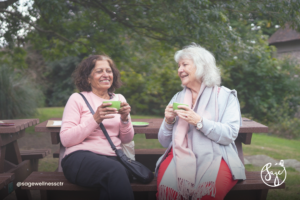
Authentic friendship feels different. It allows you to exhale.
What Makes a Friendship Aligned and Supportive?
Think of community like the foundation of a house. If the foundation is cracked or unstable, everything built on top feels shaky. But when the base is solid, the rest of life feels more supported.
Aligned friendships often include:
- Shared values – You don’t have to agree on everything, but your core ways of seeing the world feel compatible.
- Emotional safety – You can be honest without fear of judgment or rejection.
- Mutual effort – Both people initiate, listen, and care.
- Room to grow – You support each other’s healing, boundaries, and evolution.
True friendship isn’t about constant contact — it’s about consistent care.
5 Ways to Make More Authentic, Aligned Friends
If you’re wondering how to build real friendship as an adult, here are practical, doable steps:
- Start by being more honest about who you actually are.
Aligned friends can’t find you if you’re hiding behind a “fine” or a socially polished version of yourself. - Go where your people already gather.
Think therapy groups, wellness workshops, parenting circles, spiritual communities, or hobby-based groups — especially local spaces in Orange County where shared values are already present. - Practice small, safe vulnerability.
You don’t have to trauma-dump. Try sharing a real feeling, a current challenge, or something meaningful to you, and see how the other person responds. - Notice how your body feels after spending time with someone.
Do you feel grounded, energized, and more like yourself — or tense and drained? Your nervous system is a powerful guide. - Let friendships build slowly.
Deep connection grows through repeated, low-pressure interactions. Consistency matters more than intensity.
A Simple Nervous System Tool for Building Safer Connections
Before or during social time, try this quick regulation practice:
- Gently place one hand on your chest and one on your belly
- Take a slow breath in through your nose for 4 counts
- Exhale through your mouth for 6 counts
- Repeat 4–5 times while noticing the support of the chair or ground beneath you
This helps your body shift out of social anxiety or hypervigilance so you can show up more present and authentic in friendships.
Friendship as Whole-Person Healing
Supportive community doesn’t just help your mood — it nourishes mind, body, and spirit.
Emotionally, friends help us process life.
Physically, safe connection calms the stress response.
Spiritually, aligned relationships remind us we belong.
When we allow ourselves to receive social support, we step out of survival-mode independence and into shared humanity. This is a powerful part of holistic healing and personal growth.
Working with a therapist or holistic practitioner can also help you unpack old friendship wounds, attachment patterns, or trust issues that make connection feel hard. Healing relationally often happens in relationship.
You Deserve a Chosen Family
If you’ve been feeling isolated or disconnected, it doesn’t mean something is wrong with you. It often means your system is ready for more authentic, aligned connection.
Start small. Stay open. Let yourself be seen a little more than feels comfortable — in safe ways, with safe people.
Over time, those small moments of realness can turn into besties, true friendship, and chosen family — the kind of foundation that helps you feel more supported, grounded, and alive.
And if you need support along the way, you don’t have to do it alone. Therapy, holistic care, and community spaces can gently guide you back into connection.
Take a breath, feel your feet on the ground, and remember: you were never meant to build a life by yourself.