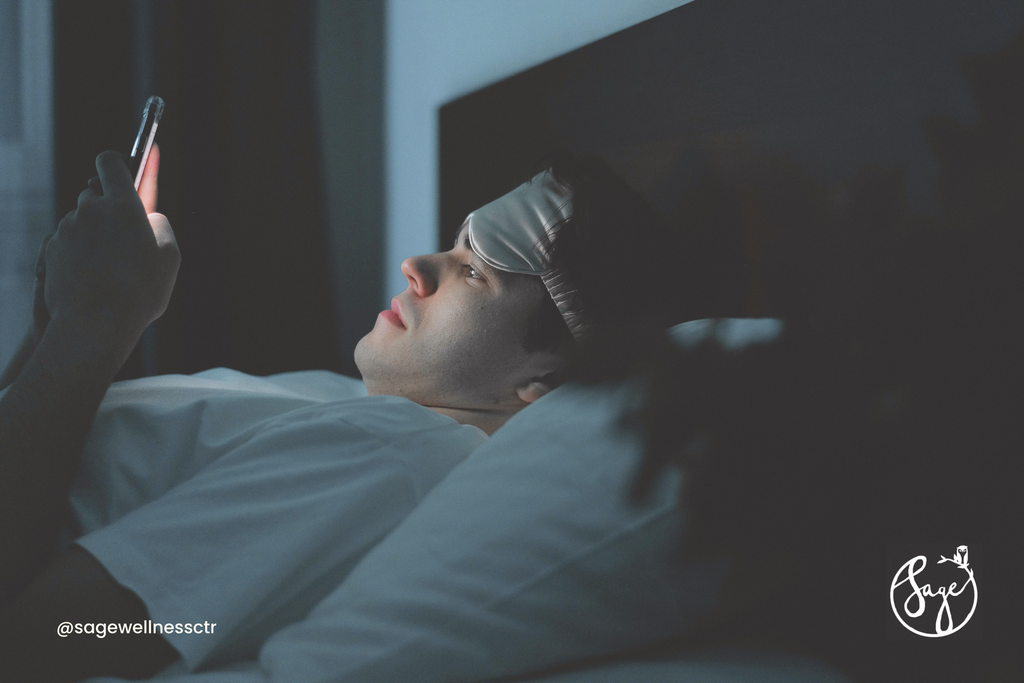
It’s 9:47pm. The kids are finally asleep. You pick up your phone “just for a minute” to decompress, and forty-five minutes later you surface from a scroll you don’t even remember starting. You’ve watched a dozen highlight reels of other people’s lives, answered a few texts on autopilot, and somehow you feel more drained and more alone than before you picked it up.
If that sounds familiar, you’re not broken. You’re also not alone in feeling alone, which is a weird kind of contradiction, but it’s real. We’re more digitally “connected” than any generation before us, and so many of us, especially parents and people who feel things deeply, are walking around with a quiet hum of disconnection we can’t quite explain.
This isn’t a lecture about throwing your phone in the ocean. It’s an invitation to take an honest look at how technology is shaping your nervous system, your relationships, and your sense of self-worth, so you can start reclaiming some of that ground for yourself.
How Screens Quietly Shape Our Sense of Self-Worth
Social media isn’t evil. But our nervous systems were never built to process hundreds of curated images of other people’s best moments every single day. When comparison becomes the background noise of your life, self-worth starts to feel conditional. It gets tied to likes, engagement, or how your life stacks up against a highlight reel that was never the full story to begin with.
Some signs this might be affecting you more than you realize:
- You feel anxious or “not enough” after scrolling, even when nothing bad actually happened
- You reach for your phone the second you feel bored, lonely, or even mildly uncomfortable
- It’s hard to be fully present with your partner or kids without checking a notification
- You have a nagging sense that your real life doesn’t measure up to your online one
None of this means you’re weak or too sensitive. It means you’re human, living inside a system built to hold your attention, often at the expense of your peace.
What Constant Connectivity Does to Your Nervous System
Here’s the part that gets missed a lot. This isn’t only a mindset thing. It’s a nervous system thing.
Every notification, every ping, every quick glance at your phone sends a small signal to your body: stay alert, something might need you. Do that dozens or hundreds of times a day, and your nervous system can get stuck in a low level of hypervigilance. It never quite settles into the calm, connected state where real rest and real relationship actually happen.
That’s why you can spend an evening “connecting” online and still end up feeling wired, scattered, or oddly empty. Your body isn’t getting the cues of safety and presence it actually needs.
Screen Time and Kids: What Are We Really Modeling?
If you’re a parent, this probably hits a little differently. Maybe you worry about your kid’s screen time while also catching your own reflection in it. The truth is, kids learn presence, or the lack of it, mostly by watching us.
You don’t have to be a perfect example. You just have to be an honest, willing one. A few small shifts can go a long way:
- Create phone free windows, even just 30 minutes at dinner or bedtime, for the whole family, no exceptions
- Say your boundaries out loud, like “I’m putting my phone away so I can really listen to you.” Kids pick up on that kind of intentional language
- Trade scrolling for a shared ritual, even something small like a walk, a game, or a few quiet minutes together
- Notice when you reach for your phone out of habit in front of your kids, and gently redirect yourself
- Talk openly about how technology makes you feel, so your kids learn emotional awareness instead of secrecy or shame around it
Reclaiming Connection: A Whole Person Approach
Real healing here isn’t just about limiting screen time. It’s about tending to the whole person: mind, body, and spirit.
- Mind: getting curious about the thought patterns and comparisons technology stirs up, without beating yourself up over them
- Body: learning to notice and settle your nervous system’s stress responses as they happen
- Spirit: reconnecting to a sense of meaning and belonging that doesn’t depend on a screen at all
This is where stillness starts to matter. Not stillness as another item on your to do list, but as a kind of returning, to your breath, your body, and the people actually sitting in the room with you.
A Simple Nervous System Tool You Can Try Today
Next time you catch yourself reaching for your phone out of restlessness rather than real need, try this instead:
- Place one hand on your chest and one on your belly
- Breathe in slowly through your nose for a count of four
- Exhale even more slowly through your mouth for a count of six
- Repeat for four to six breaths, keeping that exhale a little longer each time
- Ask yourself gently, what do I actually need right now: connection, rest, movement, or comfort?
This small practice tells your nervous system it’s safe, and it creates a little pause between the urge and the action. That pause is often all it takes to make a different choice.
You Don’t Have to Figure This Out Alone
Awareness is the first step. Guidance is what helps it actually stick. Whether you’re learning to regulate your nervous system, rebuild presence with your family, or just understand why you feel the way you do, having support can make this so much gentler than trying to white knuckle it by yourself.
If you’re in Orange County and craving more grounded, embodied connection with yourself, your loved ones, or your community, working with a therapist or holistic practitioner can offer both the education and the hands on tools to help you get there. Local support, whether through therapy, somatic work, or mindfulness practice, can be a meaningful next step.
You’re allowed to put the phone down. You’re allowed to be fully, imperfectly present. And you’re allowed to ask for help remembering how.
Take one breath right now, and let it be enough for this moment.