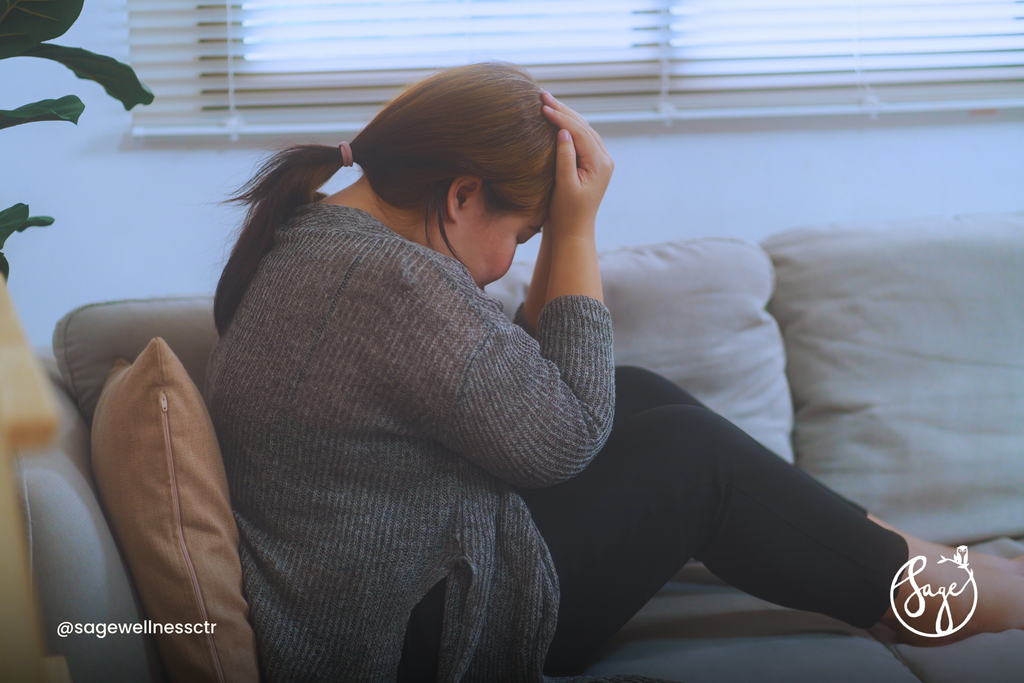
When people picture chronic illness, they usually picture the physical side: pain, fatigue, medication schedules, doctor’s appointments. What’s harder to see — and often harder to talk about — is what chronic illness does to the mind.
If you’re living with a long-term health condition, you already know this. The exhaustion isn’t just physical. There’s grief for the life you thought you’d have. There’s frustration at a body that won’t cooperate. There’s anxiety about the future, and sometimes a quiet, persistent sadness that doesn’t have an obvious cause — because the cause is the illness itself, showing up in a different form.
Why the Two Are So Closely Linked
Chronic illness and mental health struggles feed into each other in ways that aren’t always obvious.
- The biological connection.
Many chronic conditions — autoimmune diseases, diabetes, chronic pain disorders, thyroid conditions — directly affect brain chemistry, inflammation levels, and hormone regulation. Depression and anxiety aren’t always a “reaction” to being sick; sometimes they’re a direct physiological consequence of it. - The practical toll.
Managing a chronic illness is a part-time (and sometimes full-time) job nobody applied for. Appointments, insurance calls, medication management, symptom tracking — it’s exhausting in a way that leaves little room for emotional processing. Burnout from illness management alone can look a lot like depression. - The identity shift.
A chronic diagnosis often means renegotiating who you are. Maybe you can’t work the way you used to, or keep up with friends, or plan more than a day ahead. That kind of loss deserves grieving, even though it’s rarely framed that way. - The isolation factor.
Chronic illness can be invisible to others, which makes it lonely. Friends drift when you cancel plans too many times. Family members mean well but don’t always understand why “just resting” isn’t a fix. Isolation is one of the strongest predictors of worsening mental health. - The uncertainty.
Unlike an injury with a clear recovery timeline, many chronic conditions come with unpredictability — good days and bad days, flare-ups with no warning. Living in that kind of limbo, long-term, is genuinely hard on the nervous system.
What This Isn’t
It’s worth naming what this blog isn’t saying:
- It isn’t saying your physical symptoms are “all in your head.” They aren’t. Chronic illness is real, physical, and often dismissed by others — that dismissal is part of the problem, not a solution.
- It isn’t saying that if you just “think positively,” your body will follow. Mindset matters, but it doesn’t cure autoimmune disease or reverse chronic pain.
- It isn’t saying every person with a chronic illness will develop depression or anxiety. Many people manage both with real skill and resilience. But if you’re struggling, that struggle is common, valid, and worth addressing — not something to push through silently.
Small, Realistic Ways to Support Both
You don’t need a complete life overhaul. A few starting points that tend to help:
- Separate the two, gently.
It can help to ask: is this feeling coming from the illness, from the exhaustion of managing it, or from something else in my life? You don’t need a perfect answer — just noticing the difference can reduce the sense that everything is one tangled, unmanageable mess. - Find a provider who treats both.
Some doctors specialize in the overlap between chronic illness and mental health. If your current care team only addresses the physical side, it’s reasonable to ask for a referral to someone who understands that connection specifically. - Let your support system be specific.
“I’m struggling” is harder for people to act on than “Can you check in on Tuesdays?” or “I just need someone to sit with me, not fix anything.” Specific asks are easier for others to meet. - Track patterns, not just symptoms.
Alongside physical symptoms, some people find it useful to note mood and energy. Patterns can reveal things — like a flare that consistently precedes a low mood, or a medication that affects mental clarity — that are useful to bring to a doctor. - Grieve what needs grieving.
The life you expected to have and the life you’re living might not match. That’s a loss, even if no one sends a card for it. Giving yourself permission to feel that loss — without rushing to “look on the bright side” — is often more healing than forcing positivity. And try “intentional grieving” if you haven’t yet…breathwork can be a great way to release these feelings. - Connect with people who get it.
Whether it’s an online community, a support group, or one friend who also lives with a chronic condition, there’s real relief in not having to explain the basics every time.
If You’re Struggling Right Now
If the weight of managing a chronic illness has tipped into something heavier — persistent hopelessness, loss of interest in things you used to care about, or thoughts of not wanting to be here — please don’t sit with that alone. A doctor, therapist, or crisis line can help, and reaching out is not a failure of coping. It’s often the most capable thing a person can do.
Chronic illness asks a lot of the people living with it — patience, adaptability, and a kind of ongoing resilience that rarely gets acknowledged. Your mental health matters just as much as your physical health in that equation. Treating both as real, and both as worthy of care, isn’t extra. It’s the whole picture.
If you’re looking for support as you navigate the emotional weight of chronic illness, we’re here to listen, walk alongside you, and help you find the care that feels right for you. Let’s connect.